
Do I Really Need Water Softening Salt?
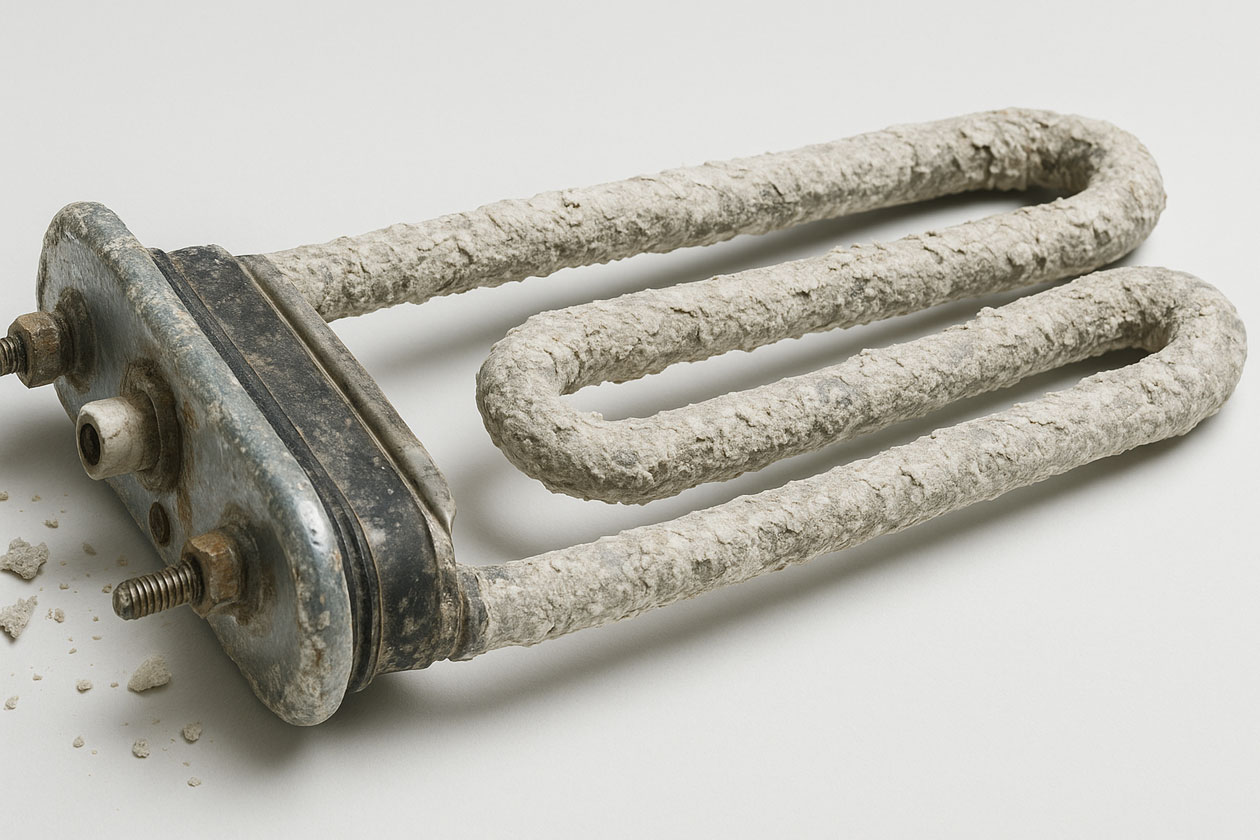
If you live in a hard water area of the UK, say along the M4 corridor, you might be wondering if water softening salt is really necessary at home. Hard water quietly takes its toll on your appliances, plumbing, and even your skin and hair. Using the right salt in a water softener can protect your home, save you money over time, and make everyday life a bit more comfortable. But which salt suits your system best—and is the water actually going to taste salty?
Hard water isn’t just a minor nuisance from the tap; it’s a common issue in many UK households, especially where rainwater picks up calcium and magnesium from chalk and limestone underground. This often leads to limescale build-up that clogs pipes and wears down appliances. You might not notice it straight away, but over time, inefficiencies grow, and so do repair bills. Hard water can also dry out your skin and worsen conditions like eczema or psoriasis, while leaving your hair feeling dull and brittle. Softening your water tackles these problems, making daily routines that bit easier.
Salt-based water softeners work using a simple process called ion exchange, which removes the minerals that cause hardness altogether. That said, many worry softened water might taste salty or that salt use harms the environment. It’s worth separating fact from fiction. There’s also a broad choice of salt types—blocks, tablets, granules—from well-known brands like Harvey’s Block Salt and Hydrosoft Tablets. Harringtons Reading stock all these products and more.
So, do you need water softening salt? Let’s look at what hard water means, why salt-based softeners tend to be the best option, the perks of softened water, and how to pick the right product for your home.
Understanding Hard Water and Its Effects
What is Hard Water?
Hard water contains higher levels of dissolved minerals—mainly calcium and magnesium. In many UK areas, including along the M4 corridor, rainwater picks these up as it travels through chalk and limestone underground. While it isn’t harmful to drink, hard water can cause practical problems around the house.
Problems Caused by Hard Water
The most obvious issue is limescale—a chalky white deposit that forms inside pipes, boilers, kettles, and appliances. Even a thin 1.6mm layer of limescale can cut boiler heat efficiency by around 12%. This forces your heating system to work harder, pushing up energy bills and causing extra wear.
Limescale also shortens the lifespan of appliances like washing machines, irons, and kettles, which often need repairs or replacement sooner if scale builds up unchecked.
Hard water can also dry out skin and cause irritation. People with conditions like eczema or psoriasis often find symptoms worsen. Often, hair feels coarse and looks dull, as hard water stops soap rinsing properly, leaving behind mineral residue.
Why Salt-Based Water Softeners Are the Most Effective Solution
The Ion-Exchange Process Explained
Salt-based water softeners use ion exchange. Inside the unit, tiny resin beads trap calcium and magnesium ions, removing hardness from the water. Over time, the beads get saturated and need regenerating. This happens when they’re flushed with a salty brine solution, swapping the hardness minerals for sodium ions.
This process completely removes hardness minerals, unlike alternative devices that only alter how scale forms. Authoritative sources confirm ion-exchange softeners remain the only method designed to fully eliminate water hardness.
Softened water also lets you use less soap and detergent because it lathers better and rinses cleanly. This reduces your environmental impact while cutting down on harsh cleaning agents. What’s more, softened water gently helps clear existing limescale from your pipes and appliances—a kind of reset for your plumbing.
Addressing Common Concerns
Many worry softened water will taste salty. When a softener is installed and maintained properly, the tiny sodium amount added is barely noticeable to most people.
There are also concerns about the environmental impact of salt. Modern softeners are efficient, and the brine they discharge is small compared with overall household water use.
Alternative Systems and Their Limitations
You might have come across magnetic or electronic water conditioners claiming to soften water without salt. While some can reduce scale by changing how it forms, they don’t remove calcium or magnesium ions. So, they don’t truly soften water or offer the same protection for appliances and skin as salt-based softeners.
Benefits of Using Water Softening Salt in Your Home
Protecting Appliances and Plumbing
Limescale is the arch-nemesis of household appliances. Softened water prevents deposits, helping boilers run more efficiently and reducing energy use. As mentioned, untreated limescale can knock boiler efficiency by around 12%, increasing costs.
Appliances like kettles, irons, and washing machines last longer and perform better with softened water. You’ll likely notice less scale in kettles, cleaner washing machines, and irons that leave clothes smoother without residue.
Enhancing Skin and Hair Health
Softer water helps cut down dryness and irritation, offering relief for sensitive skin conditions like eczema. It rinses soap away more thoroughly, reducing dryness and discomfort. Hair feels softer and easier to manage since mineral residue no longer weighs it down.
Economic and Environmental Advantages
Better heating efficiency means lower energy bills. Using less detergent and fewer descaling products also reduces household chemicals, saving you money while being kinder to the environment.
Exploring Popular Water Softening Salt Options in the UK
Several salt types cater to different systems and preferences. Knowing which salt suits your system, and how to look after it, can make a real difference:
- Block Salts: Harvey’s Block Salt and Harrington’s Block Salt are popular. These compact blocks dissolve slowly, regenerating resin beads effectively.
- Tablet Form: Hydrosoft Tablets are another favourite. Easy to handle, they dissolve steadily, providing consistent softening.
- Granules and Other Forms: Some systems prefer granules, offering flexibility, especially if you need tighter control over salt use.
Harringtons Reading, a well-regarded UK supplier, stocks a wide range of blocks, tablets, and granules tailored for various softening systems. They stress the importance of high-purity salts made specifically for water softeners; generic rock salt or cheaper alternatives can cause problems.
If you’re hunting for the best water softening salt in the UK, Harringtons Reading is a reliable place to start.
Related Harringtons products

Choosing and Maintaining Your Water Softening System
Choosing the right salt depends on your softener model, so always follow the manufacturer’s guidelines.
Maintenance matters just as much. Regularly topping up salt keeps your system running smoothly. Periodic checks help catch issues early. Environmental concerns around salt use tend to be exaggerated; efficient modern systems minimise salt consumption and brine discharge.
If you’re wondering where to buy water softening salt locally, Harringtons Reading offers a wide selection and online ordering for convenience.
Frequently Asked Questions and Common Concerns
- Is water softening salt necessary in all hard water areas?
If your water hardness is high, salt-based softening is generally worth it to protect appliances and improve comfort.
- Will softened water taste salty?
Properly maintained softeners add only a small amount of sodium, so any taste change is usually negligible.
- Harvey’s Block Salt vs Hydrosoft Tablets—what’s better?
Both work well. The choice comes down to your softener’s salt tray size and how you prefer to handle the salt.
- Salt-based vs salt-free water softeners—which is best?
Salt-based systems actually remove hardness minerals, whereas salt-free devices mainly condition water and don’t fully prevent limescale.
- How does softening salt save money over time?
It extends the life of appliances, reduces energy bills, and cuts down your use of cleaning products.
- What are the skin and hair benefits of softened water?
Softer water reduces dryness and irritation, helping sensitive skin and leaving hair feeling healthier.
Conclusion
Water softening salt isn’t just a nice extra—if you’re in a hard water area in the UK, it’s often a practical choice to protect your home, health, and wallet. Salt-based softeners remain the most reliable way to remove minerals that cause limescale and skin problems. Well-known brands like Harvey’s Block Salt and Hydrosoft Tablets, available from trusted suppliers such as Harringtons Reading, offer a range of straightforward options. Choosing the right salt and keeping your system in good shape can reduce repairs, lower bills, and boost daily comfort. It may seem like a small extra job, but investing in good water softening salt now could well save you time, money, and hassle in the future.
TL;DR
Hard water, common in parts of the UK like the M4 corridor, contains calcium and magnesium minerals that cause limescale build-up in pipes and appliances, leading to inefficiency and damage. It also dries out skin and hair, and may worsen conditions like eczema. The only reliable way to fully soften water is with a salt-based system using ion exchange to replace hardness minerals with sodium ions.
Key takeaways:
- Hard water causes limescale that reduces boiler efficiency and shortens appliance life.
- Salt-based softeners completely remove hardness minerals; magnetic or electronic devices don’t.
- Properly used, softening salt adds minimal sodium and doesn’t make water taste salty.
- Benefits include lower energy bills, less detergent use, and gentler water for skin and hair.
- Popular UK salts include Harvey’s Block Salt, Harrington’s Block Salt, and Hydrosoft Tablets.
- Always choose salt recommended for your softener and maintain your system regularly.
- Suppliers like Harringtons Reading carry a broad range of high-purity water softening salts.
- Investing in water softening salt helps protect your home, save money, and improve daily comfort.
If hard water is causing you problems, salt-based water softening salt is a sensible investment—not just for your appliances but for your skin and peace of mind too.