
Block vs Tablet Water Softener Salt — Which Should You Use?
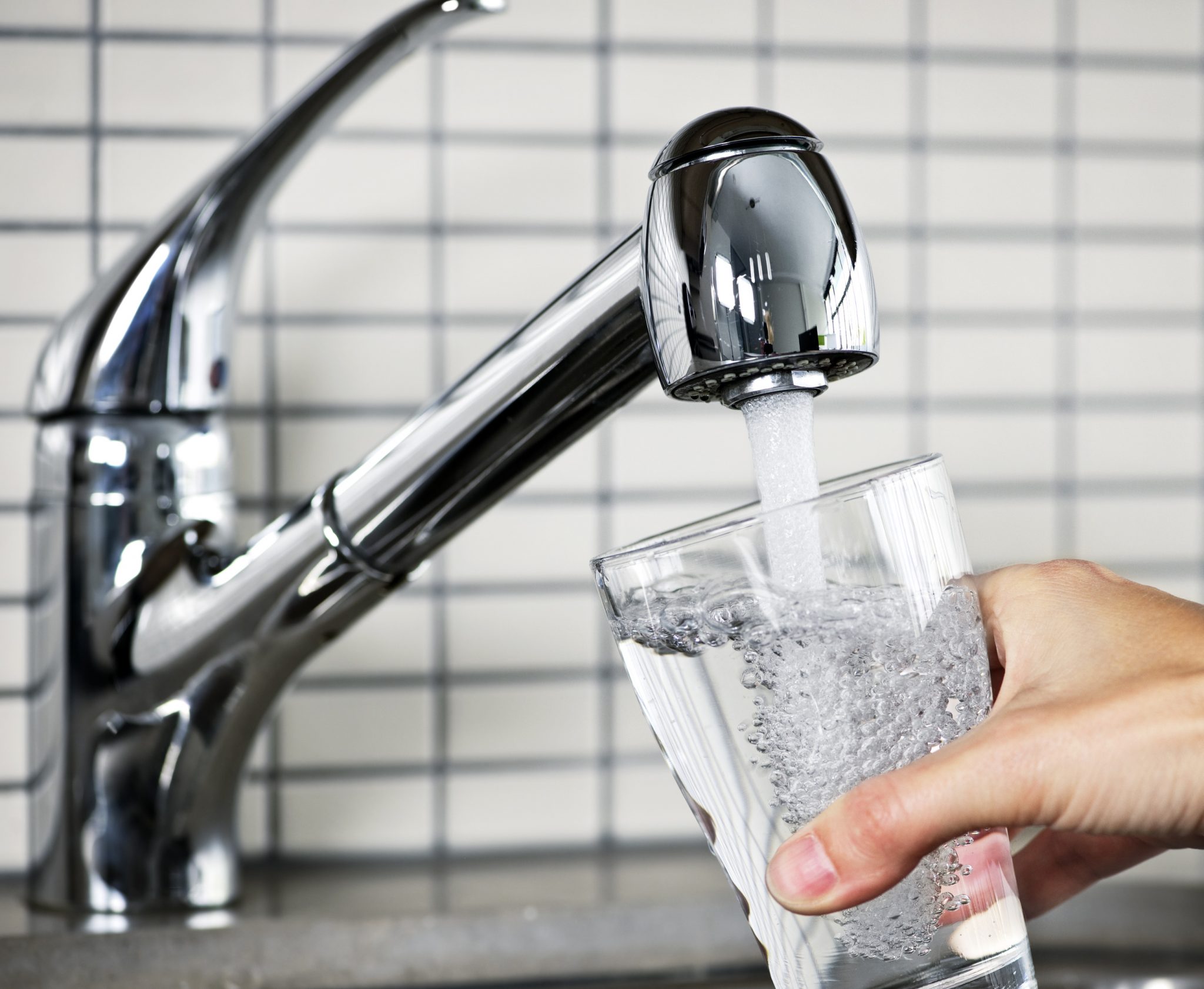
If your taps are chalky or your kettle’s furred up, you’re probably living with hard water. Let’s look at the two most common types of softener salt — and which is best for your system.
Why salt type matters
All water softeners rely on salt to recharge the resin that traps limescale-causing minerals. But not all salt is the same. Using the wrong form can affect how efficiently your softener runs — and might even cause blockages or bridging in the brine tank.
In Reading and the Thames Valley, water hardness averages around 270 mg/l (very hard), so most homes use a twin-tank softener such as Harvey, Kinetico, or TwinTec.
| Type | Form | Typical Use | Pros | Cons |
|---|---|---|---|---|
| Block Salt | Solid rectangular blocks | Non-electric twin-tank softeners (Harvey, Kinetico, TwinTec) | Clean, easy to load, minimal residue | Slightly higher cost per kg |
| Tablet Salt | Pressed pellets | Single-tank, electric softeners | Dissolves evenly, widely available | Heavy bags, can create dust |
| Granular Salt | Fine crystals | Older single-tank softeners | Inexpensive, dissolves quickly | Prone to bridging or mush if damp |
Which should you choose?
- If your softener takes two blocks side-by-side, use block salt only.
- If it has a round brine tank with a lid, it probably uses tablet salt.
- When in doubt, check your manual or look for residue shape in the tank.
Using the wrong salt type won’t damage the softener overnight — but it can clog the injector, reduce water flow, or lead to regeneration issues.
| Type | Typical Bag/Pack | Price Range | Ease of Use | Best For |
|---|---|---|---|---|
| Block | 2 × 4 kg blocks | £6–£8 | ★★★★★ | Households wanting clean handling |
| Tablet | 10–25 kg bags | £7–£12 | ★★★ | Standard electric softeners |
| Granular | 10–25 kg bags | £7–£11 | ★★ | Older systems only |
Local delivery across Reading
Harringtons offers free driveway drop-off within Reading and nearby postcodes. We stock all popular brands including Harvey, Kinetico, Broste, and Hydrosoft.
Order your softener salt online →
or call 0118 9242888 to check next-day availability.
FAQ
Can I mix block and tablet salt?
No — the shapes dissolve differently. Empty the brine tank before switching types.
Why is there water left in the tank?
A small amount of brine always remains; it’s normal. If it overflows, clean the injector and float.
How long does salt last?
A two-person household typically uses one 8 kg pack of block salt every 3–4 weeks in Reading’s water conditions.
Is cheaper salt OK?
Yes, as long as it’s food-grade purity (EN973 A) — but avoid damp or dusty bags.
Bonus tip
Keep your salt stacked in a dry, raised spot — a pallet or plastic box works well — to stop moisture clumping the pellets or blocks before use.