
Azobe Hardwood Sleepers: Durable Timber for UK Gardens
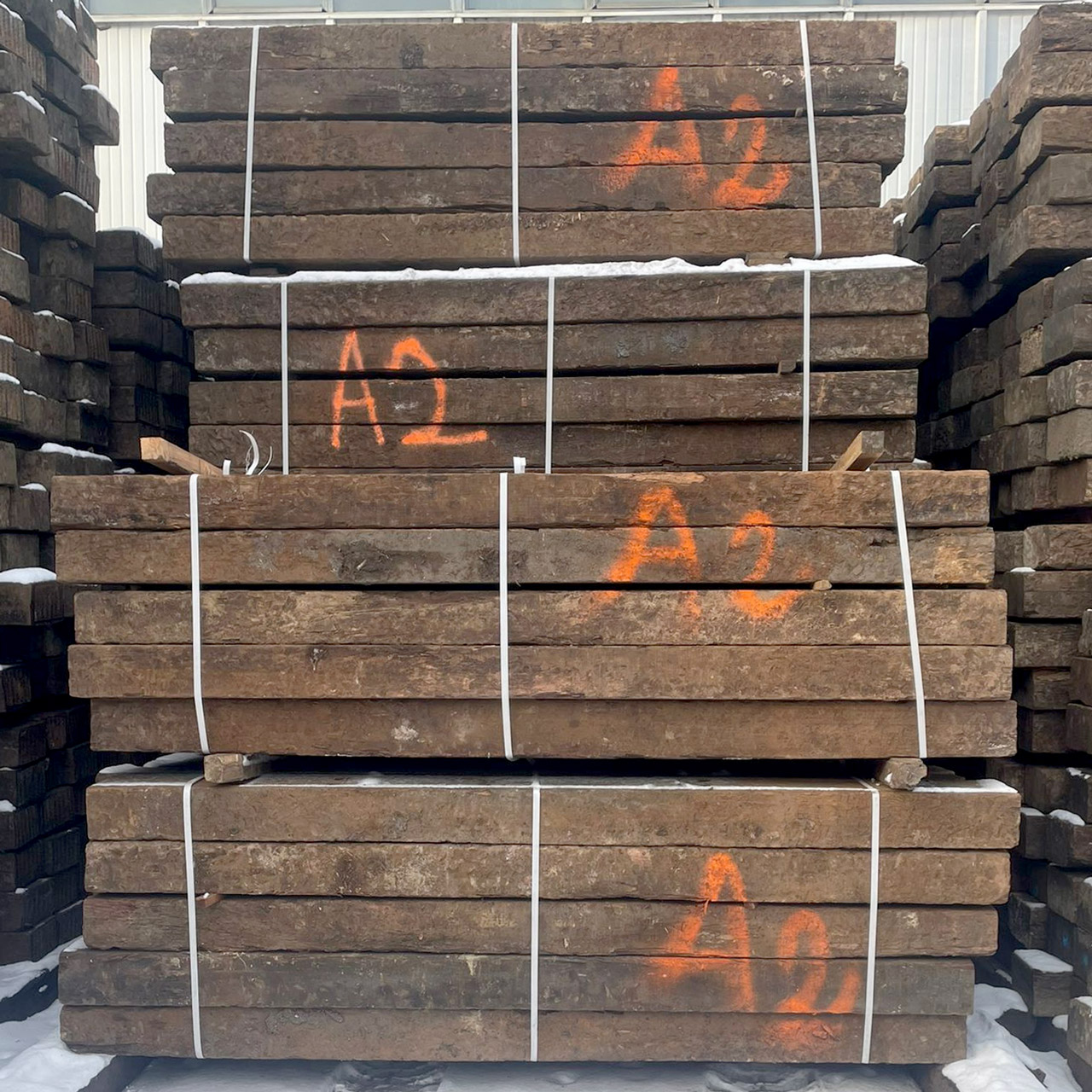
If you’re planning a garden project that needs lasting strength and great looks, azobe hardwood sleepers should be on your list. Loved by gardeners and landscapers, these sleepers offer natural durability that’s hard to beat. That’s why they’re a popular choice for UK gardens where you want sturdy, long-lasting materials.
What Are Azobe Hardwood Railway Sleepers?
Azobe, or Lophira alata, is a very dense hardwood from West and Central Africa. It’s also known as Ekki or red ironwood, names that all refer to the same tough wood.
Azobe was used widely for railway sleepers in Europe because it holds up so well under heavy loads, vibration, and wet conditions. Belgian railways, in particular, used it for sleepers that often lasted 50 to 60 years. Remarkably, many sleepers were still sound when they were taken out of service. This excellent reputation has made reclaimed azobe sleepers very popular for use in gardens and landscaping today.
When buying azobe sleepers, it’s good to know the difference between genuine reclaimed railway sleepers and new, purpose-cut versions made for landscaping. Reclaimed sleepers usually measure around 2.6 metres by 240mm by 140mm. They show their history with weathered surfaces, bolt holes, and a natural patina that adds character. New landscaping sleepers are freshly milled, with reliable sizing and a cleaner, smoother look — but don’t have the same aged charm.
Both types share azobe’s fantastic natural qualities, making them superb for long-lasting garden projects.
Why Azobe Stands Out Among Hardwood Sleepers
What makes azobe special compared to other hardwoods? Its natural traits really set it apart.
Azobe scores top marks for strength (class D70) and durability (class 1). It naturally resists rot, insects, and fungal decay without needing any preservative treatments. Its dense, interwoven grain makes it tough and water-resistant — it just won’t rot the way softer woods do.
This natural resilience is a big plus. While many sleepers need treatment to last outside, azobe can go straight into your garden and perform well. That’s especially reassuring if you’re building raised vegetable beds or anything that contacts soil.
Azobe is also very heavy and stable. Sleepers made from it will stay put through frost, ground shifts, or other movements that might trouble lighter woods. This makes it ideal for retaining walls, where strength and stability really count.
Fresh azobe timber has a rich dark red-brown colour with distinct grain patterns. Over time, UK weather changes the surface to a lovely silver-grey patina — a natural effect from the sun and rain, not damage. Some gardeners like this weathered look, while others prefer to keep the original colour by applying finishing oils. This is just a matter of personal taste.
One thing to keep in mind: azobe is very hard wood. That means it can’t be cut easily with standard DIY tools. Professional cutting equipment, like bandsaws, is necessary. You might want to buy pre-cut sleepers or arrange for cutting services to save yourself hassle.
Popular Uses of Azobe Sleepers in UK Gardens
Azobe railway sleepers have a range of practical uses in gardens, thanks to their strength and resilience.
- Raised vegetable beds are one of the most common uses. Azobe’s natural durability means you can grow food safely without worrying about chemicals leaching into the soil. The sleepers’ weight also keeps beds sturdy and prevents them from bowing under pressure.
- Garden edging and borders benefit from azobe’s weather resistance. Unlike softer materials that may rot within a few years, azobe edging lasts for decades while keeping its shape.
- Retaining walls show off azobe’s load-bearing power. Whether you’re raising borders or creating terraces, these sleepers can handle the sideways pressure of soil with ease. They’re heavy to install but make solid, long-lasting walls.
- Garden steps made from azobe wear well under foot traffic and develop a beautiful character with age. The weathered surface provides decent grip, and the wood’s hardness prevents quick wear.
- Driveway borders and pathways can also be built with azobe sleepers. They cope well with vehicles and footfall without damage.
- Water features are another top use — azobe’s proven resistance to rot means it performs beautifully around ponds, streams, and wet soil.
- Decorative garden furniture, such as chunky benches or planters made from sleepers, benefits from azobe’s combination of strength and weathered charm. These pieces are built to last.
Just remember that the weight of azobe sleepers calls for some careful planning. Larger projects may need machinery or several people to handle the materials safely.
What to Consider Before Buying Azobe Sleepers
Here are some key points to keep in mind before you buy azobe sleepers.
- Budget: Azobe is a premium product, with a higher initial price than softer woods. But its longevity and low upkeep often make it good value over the long term.
- Project size: Azobe sleepers are heavy, so your project’s scale affects how manageable installation will be. Small jobs can be tackled by fit homeowners with a helper, but bigger ones may need machines or professional help.
- Cutting and fixing: Because azobe is so dense, cutting with standard tools is tough. It’s common to buy pre-cut sleepers or get your supplier to do the cutting. When fitting, pre-drilling holes is essential, and coach bolts usually work better than screws for joining sleepers.
- Supplier trust: The UK market has many suppliers, but quality varies. Always choose a trusted supplier who can prove the species, explain whether sleepers are reclaimed or fresh, and has good experience with azobe. This reduces the chance of getting inferior products.
Where to Source Quality Azobe Sleepers in the UK
Finding genuine azobe sleepers means choosing reliable suppliers with real expertise.
Look for businesses that know their hardwoods and understand garden and landscaping needs. They can advise you on what’s best — reclaimed or new sleepers — and help you pick the right sizes and grades.
Harringtons of Reading is a great example of a knowledgeable, family-run supplier. They specialise in hardwood sleepers for homeowners and offer helpful advice. If you’re in the Reading area or Thames Valley, check out their website at harringtonsreading.com.
When you talk to any supplier, ask about the origin of their sleepers, whether they’re reclaimed or newly milled, and what quality checks they use. Good suppliers will be happy to explain. Be wary of anyone who can’t give clear answers — it’s important to get authentic azobe.
Also, consider delivery options. Azobe sleepers are heavy, so driving your van to collect them won’t be easy for most people. The right supplier should be able to organise delivery and guide you on ordering the right quantities.
Caring for Your Azobe Sleeper Installation
One of the best things about azobe sleepers is how easy they are to look after.
- Routine cleaning is simple — just brush off dirt and rinse with water now and then. No complicated treatments or coatings are required.
- Lifespan usually ranges from 30 to 50 years or more in typical gardens. If they’re installed somewhere sheltered and well-drained, they can last even longer. Many reclaimed sleepers have already done 50+ years working on railways before heading to gardens.
- Surface checking (small cracks along the grain) is normal for dense hardwoods. They don’t affect strength and usually settle down after a few years.
Since azobe is untreated, it’s safe for use in vegetable beds — no worries about chemicals affecting your produce.