
Which Calor Gas Regulator Do I Need?

Finding the right Calor Gas regulator for your cylinder can feel a bit daunting, especially when faced with clip-on sizes, pressure ratings, and accessories. Here’s how to match your regulator to your BBQ, patio heater, or caravan—along with a bit of friendly advice on safe installation and the value of local expertise. The right regulator keeps things running smoothly and, more importantly, keeps your home or outside space safe.
Choosing the right Calor Gas regulator is an important—if often overlooked—step for anyone using LPG. Whether you’re attaching a new barbecue, topping up the patio heater, or setting up in the caravan, it pays to get it right. The wrong choice isn’t just inconvenient; it may cause leaks, dodgy performance, or even safety issues.
It’s easy to trip over all the talk of ‘21mm butane’ or ‘27mm patio gas’ regulators, especially with so many hose and clip types on offer these days. So, let’s keep things straightforward: you’ll find plain advice here on Calor regulator compatibility, safe fitting, and why a good local supplier is worth its weight. If you’re new to LPG or just want a check before you buy, you’re in the right place.
Understanding Calor Gas Regulators and Cylinder Types
Calor Gas cylinders are made for different purposes—mainly butane (the blue ones), propane (usually red or green), and Patio Gas (green, designed for outdoor use). Your regulator isn’t interchangeable between them.
There’s a reason for this variety. Each cylinder has its own valve and pressure arrangement, designed to work safely with the type of gas it contains and what it’s meant to power. Butane cylinders work best indoors, or in warmer climates; they’re well-suited to portable heaters and stoves. Propane, however, stands up to colder conditions and is the cylinder of choice for BBQs, patio heaters, and caravan gear. Patio Gas is a particular type of propane, built distinctly for leisure use and easy handling outside.
Safety and efficiency hinge on using the right regulator type for each cylinder. Pick the wrong one, and it’s a risk to both warranty and your own safety.
Regulator Compatibility: One Size Doesn’t Fit All
Not all Calor Gas regulators work with every cylinder. If anything, the system is deliberately ‘fool-proofed’—different fittings stop you marrying up the wrong kit.
Here’s a quick rundown of what fits what:
- Standard Propane Cylinders (Red): Take a screw-on regulator (often with a POL fitting), which threads on securely to the valve.
- Butane Cylinders (Blue): Usually take a 21mm clip-on regulator that simply pushes into place.
- Patio Gas Cylinders (Green): Need a 27mm clip-on regulator. It won’t work with the smaller 21mm fitting, so don’t try to force it.
Connections are not just about pressure. They must physically match. Some other manufacturers’ regulators look similar but may not seal well, or meet Calor’s safety standards. For best results, stick with regulators and cylinders that are marked as compatible.
Regulators


Pressure Ratings and Appliance Requirements
Pressure is another crucial factor. Appliances are built for a particular gas pressure, typically measured in millibars (mbar), and the job of the regulator is to deliver that exactly.
- Low-Pressure Regulators: These cover most domestic gadgets—BBQs, patio heaters, and household LPG items—usually between 28–37mbar, depending on the gas.
- High-Pressure Regulators: Reserved for commercial kit or specialist applications. Using the wrong one could flood your appliance and pose a fire hazard.
The trick is never to guess—always check the appliance or manual for inlet pressure and make sure your regulator matches. If the pressure is too low, the performance suffers; too high and you open the door to leaks or worse.
Hoses and Clips: Compatible and Safe Accessories
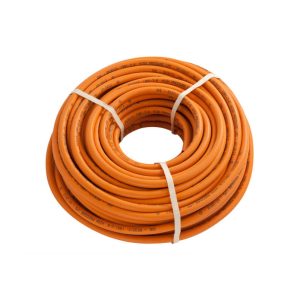
Once the regulator’s sorted, don’t cut corners on hoses and clips. Only proper, gas-rated equipment will do.
- LPG Hose: Check for clear markings showing it’s rated for LPG and made to British Standard (BS) certification.
- Diameter: For most household setups, an 8mm internal diameter hose is standard. Still, always double-check what your regulator and appliance require.
- Clips: Go for stainless steel or brass hose clips, tightened enough to be firm, but not biting into the hose.
Never reuse tired old rubber hose, or make-do with the wrong tubing. Approved hoses and clips are made to stand up to LPG’s particular demands and do a better job of minimising leaks.
Hoses

Safety Practices with Calor Gas Regulators and Hoses
Regular checks and straightforward maintenance make all the difference.
- Inspections: Look for broken, stiff, discoloured, or swollen hoses and regulators.
- Age: It’s good practice to check every year, and most recommend swapping hoses at least every five years—even if a hose still ‘looks’ fine.
- Connection Points: Both ends should have clips that are undamaged and properly tight. Any loose or missing fittings need sorting straight away.
Avoid any DIY gadgets or “universal” adaptors from the internet. The safest setup is one with Calor-approved regulators and genuine connectors—don’t mix and match, and never modify fittings.
Common Kits and Solutions: The Calor Universal BBQ Kit
If you just want something uncomplicated for your Patio Gas cylinder, Calor’s Universal BBQ Kit is a handy choice. What’s included:
- A 27mm patio gas clip-on regulator
- One metre of 8mm LPG hose
- All the right fittings to get going straight away
Still, these kits are only for Patio Gas—don’t expect them to fit butane or standard propane cylinders. If your appliance or cylinder is different, you’ll need to pick separate components that suit your kit, rather than forcing an ill-fitting ‘universal’ solution.
Great for standard patio barbecues, these kits aren’t designed for caravans, older gear, or other cylinder types. If in doubt, a quick word with a knowledgeable local supplier usually clears things up.
Where to Buy: Value of Trusted Local Suppliers
Where you buy your gas regulator is as important as what you buy. Reputable family businesses like Harringtons of Reading, who serve Berkshire and the Thames Valley, offer genuine Calor Gas products and take the time to match you with what’s right for your needs.
The staff know the regulations, will check you’ve got the right pressure and fittings, and are always there if you have a follow-up question or need advice. That sort of support is hard to get from the big, faceless suppliers online, and it can help you avoid awkward or costly mistakes.
Frequently Asked Questions
Are Calor Gas regulators interchangeable?
No, they’re not. Each is designed for a specific cylinder type, gas, and pressure. Fitting the wrong one might look clever but will endanger safety and may damage your equipment.
What hose and clips should I use with my regulator?
Always pair your regulator with a British Standard LPG hose matched to the size your appliance requires, and use proper stainless steel or brass clips.
How do I check regulator and hose safety?
Inspect for cracks, stiffness, swelling, or colour changes. Look over the manufacturing date on hoses—if they’re more than five years old, replace them regardless of appearance. Pay special attention to seals and ends, and swap out anything that’s seen better days.
Where can I buy Calor Gas cylinders and regulators near me?
For anyone in Berkshire or Thames Valley, Harringtons of Reading has the full range of Calor products, plus practical help from people who know the area and your likely set-up.
Conclusion
Getting the right Calor Gas regulator is straightforward once you know your cylinder and appliance. Match the type and pressure, use only certified hoses and clips, and choose a reliable local supplier. Skipping these steps, or using the wrong accessories, could risk both your safety and your pocket. Take a moment for checks and keep everything in good nick—you’ll enjoy safe and reliable heating or cooking for years to come.
TL;DR
If you’ve ever wondered: “Which Calor Gas regulator do I need?”—you’re far from alone. Mistakes happen easily, especially with so-called ‘universal’ kits. Stick to matching your regulator and accessories with the cylinder and appliance, and buy from a trusted local shop for peace of mind and proper value.
Key Points:
- Regulators: Not interchangeable between cylinders or gas types.
- Pressure: Check the regulator’s pressure matches the appliance.
- Hoses and Clips: Always choose LPG-rated hoses and decent clips, never reuse anything past its best.
- Safety Checks: Each year, give your kit a once-over and replace hoses at the five-year mark.
- Universal Kits: Only suit Patio Gas cylinders—double-check before you buy.
- Local Advice: Support and product know-how are much better from independent suppliers.
- No Shortcuts: Don’t use bodged adaptors or mix-and-match parts. If there’s any doubt, a local expert is your best bet.
Being careful with your gas set-up means more peace of mind, better performance, and plenty of safe, cosy moments—whatever the weather.