
Why kiln-dried logs are best for log burners
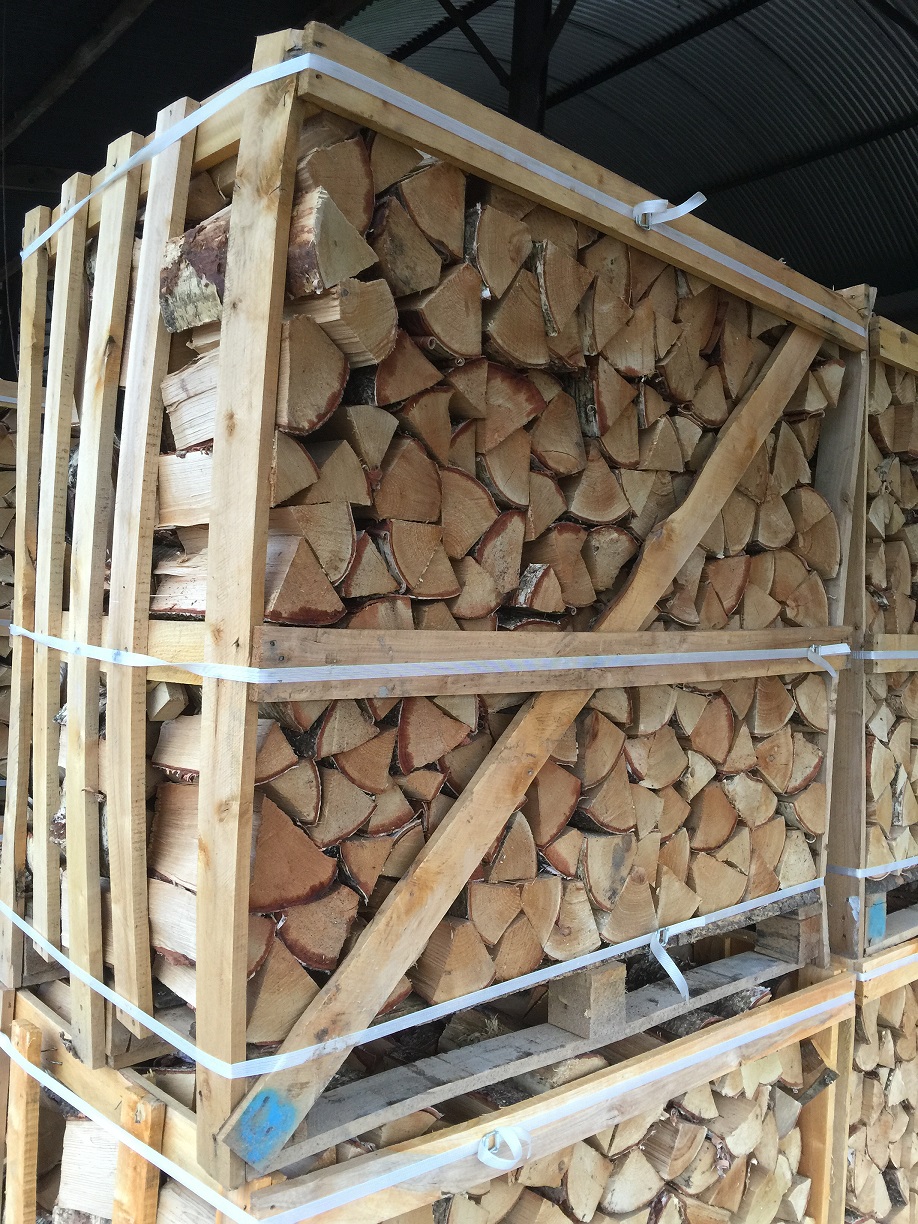
Choosing the right firewood for your log burner isn’t simply about picking the cheapest option. Kiln dried logs are said to offer higher heat output, cleaner burning, and lower maintenance—but are they really worth the extra money? Let’s unpack the kiln drying process, explore the real-world benefits, and help you decide if kiln dried logs offer the best value for efficient, environmentally responsible home heating.
Burning wood at home is more involved than it first appears. The type of firewood you burn influences room comfort, yearly fuel costs, chimney upkeep, and even indoor and outdoor air quality. Bargain loads of green logs or so-called “seasoned” firewood might seem like a clever way to save money, but those savings can evaporate quickly with lower heating efficiency, more frequent chimney maintenance, and a higher environmental toll. Kiln dried logs offer an alternative. They come with a higher price, but also a promise of greater value and safety. Where lies the real benefit, and how can you ensure you’re getting the best return for your money—without compromising on warmth or the environment? Let’s take a practical look, guided by standards and evidence.
Why the Choice of Firewood Matters
Many people assume that firewood is all much of a muchness. In practice, the fuel you choose makes a measurable difference to your log burner’s heat output, efficiency, chimney health, and longevity. Moisture content is the main factor. When burning wood with high water content, much of the energy is spent converting that water to steam, robbing your living space of useful heat and placing extra stress on your appliance and flue.
Kiln dried logs are dried in a carefully controlled, heated chamber until the moisture content is no more than 20%—a figure that can be measured and verified (Wagner Meters, 2023). This makes a real difference for those who rely on their wood burner for everyday heating or supplementary warmth. Yet common myths persist:
- All firewood is roughly equal
- Leaving any wood to dry makes it “seasoned” and ready to burn
- Kiln dried logs are just a premium product pushed by marketing
The facts, however, show that some logs perform—and pay back—much better than others.
Related Harringtons products

Understanding Kiln Dried Logs
What Is Kiln Drying?
Kiln dried logs are hardwood or softwood placed inside a kiln—a large, industrial oven that uses controlled heat and moving air to dry timber quickly and evenly. The process typically reduces moisture content from over 60% in fresh cut wood to 20% or less in a span of days or weeks.
For comparison:
- Kiln Dried: Dried rapidly and evenly in a controlled environment. Moisture ≤20%
- Green (Fresh) Wood: Newly felled, moisture ≥60%. Requires extensive drying
- Seasoned Wood: Air-dried outdoors or in a shelter. Moisture typically around 25–30% in the UK, but can still be higher if conditions are poor
British climate rarely allows home-seasoned logs to consistently fall below 20% moisture, even after a year of storage. Many logs labelled “seasoned” still contain much more water than is ideal for efficient burning.
Ready to Burn—Without the Waiting
Kiln dried logs are immediately usable, delivered with the correct dryness for optimal combustion. By contrast, green or insufficiently seasoned logs may need at least six months to two years of sheltered storage to approach similar dryness—not always practical, especially with limited outdoor space or persistent damp.
Key Benefits of Kiln Dried Logs
Higher Heat Output and Energy Efficiency
A key benefit of kiln dried logs is more efficient heat delivery. Burning wet wood is a wasteful process; instead of radiant heat, much of the energy is consumed in evaporating internal moisture. According to ProCut Firewood (2023), kiln dried wood can deliver up to 50% more heat than green wood on a weight-for-weight basis.
For example, a kiln dried log (≤20% moisture) might provide roughly 4.5kWh of heat per kilogram. The same weight of green wood (≥60% moisture) might yield as little as 2kWh, as more than half the log’s energy is lost as steam. For the same room temperature, you’ll need to burn far less kiln dried wood.
Cleaner Burning: Less Smoke and Chimney Deposits
Wood with low moisture burns more completely. This means far less smoke, fewer tarry residues, and much less creosote—a flammable substance—left in chimneys. Regular use of wet or poorly seasoned wood increases the risk of stubborn deposits, which not only need costly cleaning but also raise the likelihood of chimney fires (ProCut Firewood, 2023).
By burning dry logs, you reduce the cleaning interval from as often as four times a year to sometimes just once, depending on use and fuel quality.
Improved Chimney Safety
Less creosote equals safer operation. While there’s no legal requirement to follow a rigid sweep timetable, the Fire Service and HETAS recommend sweeping at least once a year with dry wood; several times if burning wet logs. Better combustion directly lowers fire risk.
Health and Cleanliness—Pest and Mould Reduction
Kiln drying reliably kills insects, fungus, and mould that might otherwise be present in firewood (Hochstetler Log Homes, 2023). For families storing logs indoors or in sheds, this means healthier air and less mess.
No Wait, No Uncertainty
Unlike home-seasoned wood, kiln dried logs need no extra storage or testing. They’re reliably dry, so every log gives the performance you expect.
Kiln Dried Logs Versus Other Firewood Options
Kiln Dried vs. Green Wood
The comparison here is very clear. Green wood delivers only around half the usable heat of kiln dried fuel per kilogram. Burning green logs means more smoke, more soot, and a strong likelihood of chimney blockages or fire risk. You’ll also consume more wood by weight for the same heat.
Kiln Dried vs. Seasoned Wood
Outdoor-seasoned logs can perform well if genuinely below 20% moisture, but UK weather often leaves logs in the 25–30% range—even after a full summer. The result? Suboptimal burn, excess smoke, and wasted energy. Kiln dried logs provide consistent dryness and reliability.
Storing and drying your own wood also requires space and the ability to protect logs from rain or damp. In reality, few households have the set-up for reliable home seasoning.
Environmental Impact and Emissions
Kiln dried logs, when properly sourced and manufactured (especially with renewable heat or waste-wood kilns), have a lower environmental impact in use. Reduced moisture means less smoke, less particulate pollution, and less CO₂ per kWh of delivered heat (ProCut Firewood, 2023).
That said, the source of heat for the kiln matters: opt for suppliers using biomass, waste wood, or renewables where possible. Ask your supplier for details to ensure your firewood is truly sustainable.
Cost, Value, and Maintenance Considerations
Upfront Costs vs. Lifetime Value
Kiln dried logs do cost more up front—often £120–£160 per cubic metre in the South East (2024), versus £80–£100 for seasoned and £60–£80 for green. But when you factor in usable heat, you need substantially less kiln dried wood to heat your home.
Here’s the maths: if you burn 1,000kg of kiln dried logs for your winter warmth, you may need 1,400–1,500kg or more of green wood for an equivalent result. This narrows the apparent price gap quickly.
Factor in fewer chimney sweeps (saving £60–£100 per visit), less appliance wear, and the convenience of always having ready-to-burn fuel, and kiln dried logs begin to look like a solid investment over the long term.
Debunking the “All Wood Burns the Same” Myth
This misconception lingers, but the science is clear. Using wet wood diminishes stove performance, wastes fuel money, and causes extra maintenance. True value lies in consistent heat, not just a low price per load.
Choosing a Reliable Supplier
The benefits of kiln dried logs only hold if the product is truly dry, clean, and sourced responsibly. Avoid mystery loads or bargains where moisture content can’t be verified; these may be part-seasoned or contain less suitable species.
For customers in Berkshire and Oxfordshire, Harringtons of Reading stands out for quality, transparency, and many years of local service.
https://www.harringtonsreading.co.uk/product-category/coal-firewood-charcoal/firewood