
Why Do I Need Water Softening Salt?
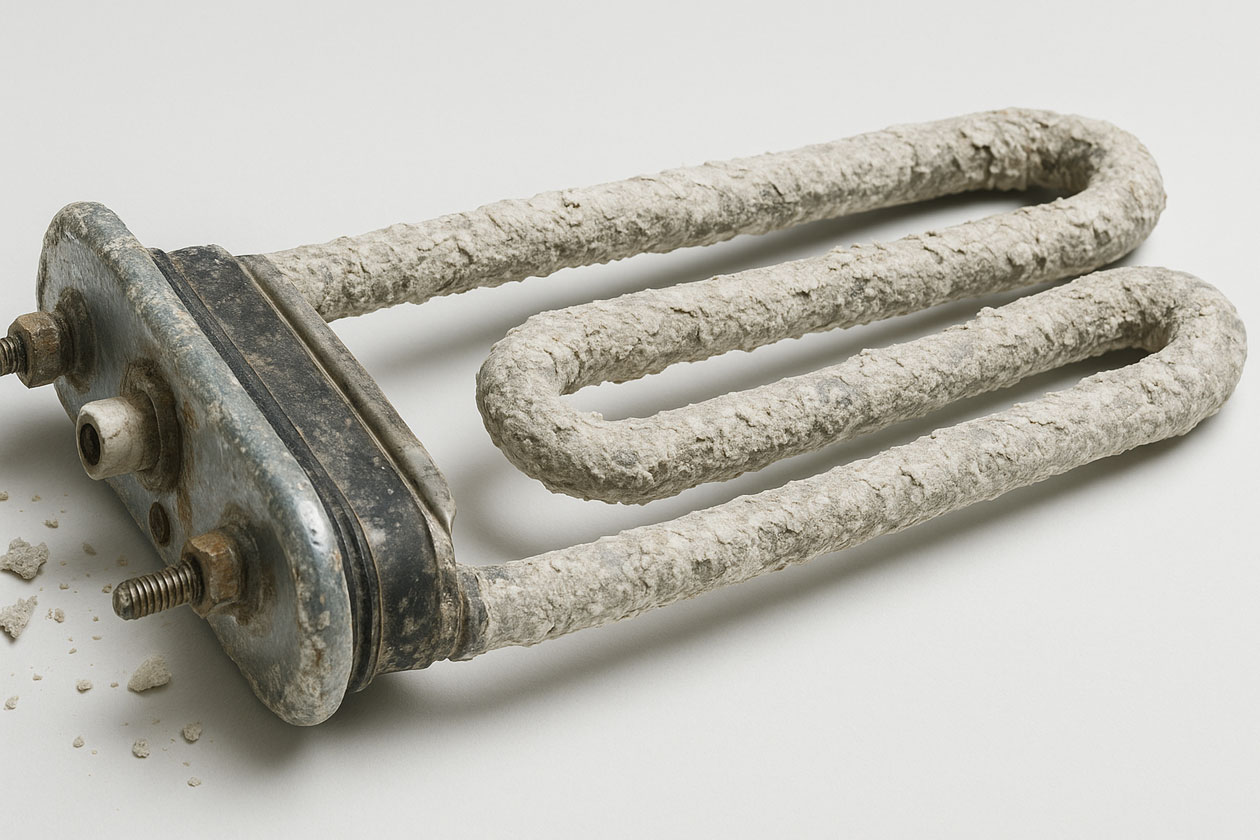
If you live somewhere with hard water — like along the M4 corridor — you may have come across water softening salt but wondered what it’s really for. This simple product plays an important role in keeping your appliances working well, protecting your plumbing, and even making your skin and hair feel better. Understanding why water softening salt matters can save you time, hassle, and money down the line.
Hard water, which affects much of the UK, quietly causes problems around the home. The calcium and magnesium minerals it contains lead to limescale buildup, which clogs pipes, reduces appliance efficiency, and can mean costly repairs or replacements. Water softeners handle these issues, but they rely on the right kind of salt to keep working properly. For families dealing with hard water, knowing how softening salt works can make a noticeable difference — helping your home, appliances, and budget.
Understanding Hard Water and Its Impact
Hard water is simply water with a high level of dissolved calcium and magnesium. In the UK, these minerals come from natural limestone, chalk, and other rocks beneath many regions, including Berkshire. While they’re not harmful to health, they cause practical headaches in the home.
When hard water runs through your taps, it leaves behind deposits called limescale. This quickly builds up inside kettles, washing machines, dishwashers, and your plumbing system. Over time, limescale narrows pipes, slows water flow, reduces heating efficiency, and forces appliances to work harder — or break down earlier than they should. For example, a heating element coated in scale acts like an insulator, meaning your water takes longer (and more energy) to heat — pushing your bills up.
Hard water also makes soaps and detergents less effective. You might spot soap scum in sinks or showers, and your clothes may not feel as fresh. Skin can become dry or irritated, and hair tends to lose some of its softness and shine.
Simply put, dealing with hard water isn’t just inconvenient; it can quietly wear down your home and the appliances you rely on.
That’s where water softeners come in.
How Water Softeners Work
Inside your water softener are tiny resin beads charged with sodium ions. When hard water passes through, the calcium and magnesium minerals stick to the beads instead. The resin then releases sodium ions into the water, “softening” it in the process.
However, the resin beads can only hold so much mineral before they need to be cleaned — or “regenerated.” That’s where water softening salt enters the picture. The salt solution flushes away the trapped minerals and recharges the beads with sodium ions, so the system keeps softening your water properly.
Without regularly topping up the salt, the softener loses its ability to work effectively.
Benefits of Using Water Softening Salt
Softened water helps your appliances and plumbing withstand daily wear and tear. By preventing scale buildup, washing machines, kettles, boilers, and dishwashers run more smoothly, break down less often, and use energy more efficiently — meaning you can save on repairs, replacements, and utility bills over time.
You’ll probably also use less soap, shampoo, and detergent. Soft water lathers better and rinses more cleanly, so you need less product — easing both your cleaning routine and your expenses.
On a more personal note, softened water is kinder to your skin and hair. Minerals in hard water can leave skin feeling dry or itchy and hair dull. Many people notice softer skin and easier-to-manage hair after switching to softened water — a small comfort if you or your family have sensitive skin.

Types of Water Softening Salt and Their Uses
Water softening salt comes in a few main varieties, each suited to different systems and needs:
- Block Salt: Large solid blocks made for gravity-fed water softeners. Blocks dissolve slowly, meaning you won’t need to refill the system as often. Brands like Harrington’s block salt and Havey’s block salt are popular choices. Ideal if you want lower maintenance — especially handy in busier households around Berkshire.
- Tablet Salt: Compressed pellets that dissolve evenly, often used in modern softeners needing precise salt dosing. Hydrosoft tablets are dust-free and tidy, making them a convenient option.
- Granular Salt: Similar to table salt but specially made for softeners. It dissolves quickly and allows flexible salt level control. However, you’ll usually need to top it up more frequently.
Which salt suits you best depends on your softener’s design and your preferences around handling, cost, and maintenance.
Local Suppliers and Product Options
If you’re in Berkshire or nearby, sourcing salt locally makes topping up your softener much easier.
Harringtons Reading is a well-known supplier offering a wide range of water softening salts — from blocks to tablets and granules. Their products fit many common systems and are valued for consistency and reliability.
Other options include Havey’s block salt — another slow-melting choice — and Hydrosoft tablets, popular for tablet salt users. Buying locally gives you products suited to UK water conditions and access to expert advice if needed.
Choosing the Right Water Softening Salt for Your Home
Choosing the right salt comes down to matching your softener and household needs.
Always check your softener’s manual or manufacturer guidelines to confirm the recommended salt type. Using the wrong salt can reduce your system’s effectiveness or cause extra wear.
Cost is another factor. Block salts usually offer good value because they last longer between refills. Tablet salts are easier to handle and less dusty, which some find worth a little extra.
Finally, consider what matters most to you — less maintenance, longer appliance life, or better skin and hair feel. Thinking about these helps you pick a salt that fits your home best.
Summary and Next Steps
Water softening salt is key to managing hard water problems for many UK homes, especially in areas like Berkshire. Without it, your water softener can’t properly regenerate, leaving plumbing and appliances open to limescale damage, higher bills, and less effective cleaning.
Local suppliers such as Harringtons offer a good range of blocks, tablets, and granules to suit your system and budget. Whether you prefer low-maintenance blocks or convenient tablets, the right salt makes a noticeable difference — helping your home run smoothly and reducing upkeep costs.
Taking a little time to choose the right water softening salt now can save you hassle later — and your home and wallet will appreciate it.